Lowla: A Timeless Handwritten Font
Working on a branding project for a small, independent café recently, I found myself searching for a font that could capture the warmth and authenticity of their vision. After testing several options, Lowla stood out—not just for its aesthetic appeal, but for how it naturally complemented the brand’s personality. It felt like the perfect match, blending delicacy with a sense of timelessness that resonated with the client's values.
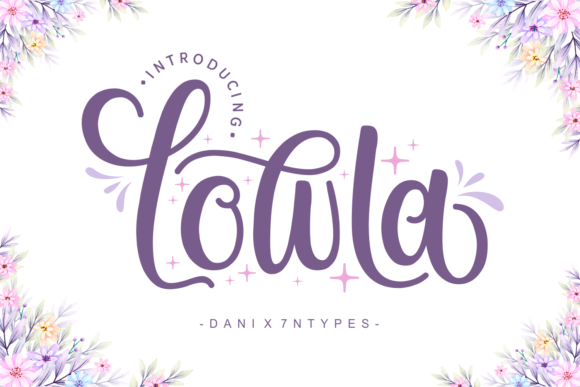
Lowla is a handwritten script font that exudes elegance and character. Its strokes are fluid and expressive, giving it a personal, almost intimate feel. Unlike more rigid typefaces, Lowla feels like it was written by hand, which makes it ideal for projects that aim to convey a human touch. Whether used in logos, packaging, or social media graphics, it adds a unique visual identity that stands out without overwhelming the design.
One of the first things I noticed when working with Lowla was how well it performed in different contexts. On a logo draft, it brought a softness that balanced the more structured elements of the design. When placed on a menu mockup, it gave the text a friendly, approachable tone that matched the café’s vibe. It wasn’t just about looking good—it was about feeling right for the brand.
Lowla in Brand Identity
When building a brand identity, consistency is key. Lowla proved to be a reliable choice for maintaining a cohesive look across various materials. From business cards to signage, it retained its charm and readability. The font’s subtle variations in stroke weight and spacing added depth, making it suitable for both large headlines and smaller details.
As a display font, Lowla excels at drawing attention without sacrificing clarity. It works best as a headline or accent font, where its distinctiveness can shine. However, it’s also versatile enough to be used in short-form text, such as taglines or product descriptions. Its legibility in smaller sizes made it a practical choice for everything from packaging labels to website headers.
Pairing Lowla with other fonts was another consideration. I experimented with a clean sans serif to create contrast, which helped balance the font’s ornate qualities. For a more traditional feel, pairing it with a serif font provided a refined yet modern look. These combinations showed how adaptable Lowla can be, depending on the brand’s tone and goals.
Real-World Applications
Testing Lowla on a variety of design elements revealed its broad applicability. On a shop sign, it added a warm, inviting presence that aligned with the café’s welcoming atmosphere. On a product label, it gave the text a custom, artisanal feel that elevated the overall design. In digital formats, such as social media posts or email newsletters, it brought a sense of personality that made the content more engaging.
For editorial design, Lowla worked well as a headline font, offering a stylish alternative to more conventional choices. In a flyer, it helped guide the viewer’s eye through the layout while maintaining a sense of sophistication. Even in a poster, it held its own without appearing too busy or cluttered.
One thing I learned during this project was the importance of testing a font thoroughly before committing to it. I tried Lowla in different sizes, weights, and color schemes to ensure it would work across all mediums. Checking the font’s styles, alternates, and ligatures helped fine-tune the design and avoid repetition in letterforms.
Practical Tips for Designers
If you’re considering using Lowla in your next project, start by experimenting with it in a few different contexts. Create a mockup of your logo, try it on a business card, or use it in a social media graphic. This will help you see how it performs in real-world scenarios and whether it aligns with your design goals.
Also, pay attention to how it interacts with other design elements. Does it complement the color palette? Does it enhance the visual hierarchy? These questions can help determine if Lowla is the right fit for your project. If you're working with clients, showing them different applications of the font can help them visualize how it will appear in the final materials.
For commercial use, make sure to check the licensing terms. Lowla, as part of the Script Amp collection, offers a range of file formats and usage rights that should meet most design needs. Whether you're creating a logo, packaging, or digital assets, having the right license ensures you can use the font confidently and legally.
Overall, Lowla is a powerful tool for designers looking to add a touch of elegance and individuality to their work. Its delicate, handwritten style makes it ideal for brands that want to stand out while maintaining a sense of professionalism. Whether you're designing for a café, a boutique, or a creative studio, Lowla has the potential to elevate your visual identity in a meaningful way.